Discover everything you need to know about travel, shopping, upcoming events, and more in Malaysia.
Discover everything you need to know about travel, shopping, upcoming events, and more in Malaysia.

Malaysia is famous for satay, nasi lemak and seafood. But with a little know-how, vegetarian and Jain travellers can eat extremely well here, from temple-style thalis in Brickfields to Buddhist kitchens that skip onion and garlic altogether.
The good news first: Malaysia is one of the easiest countries in Southeast Asia to eat vegetarian. A large Indian community means pure-veg restaurants in every major city. A large Chinese Buddhist community means a second, parallel tradition of vegetarian cooking. And Malaysians are used to dietary requests, because halal, Buddhist and Hindu food rules all exist side by side.
The challenge is hidden ingredients. Many Malay and Chinese dishes that look vegetarian are seasoned with shrimp paste, dried anchovies, fish sauce or oyster sauce. Jain travellers have an extra layer to manage: no onion, garlic or root vegetables. This guide covers where to go, what to order and what to say.
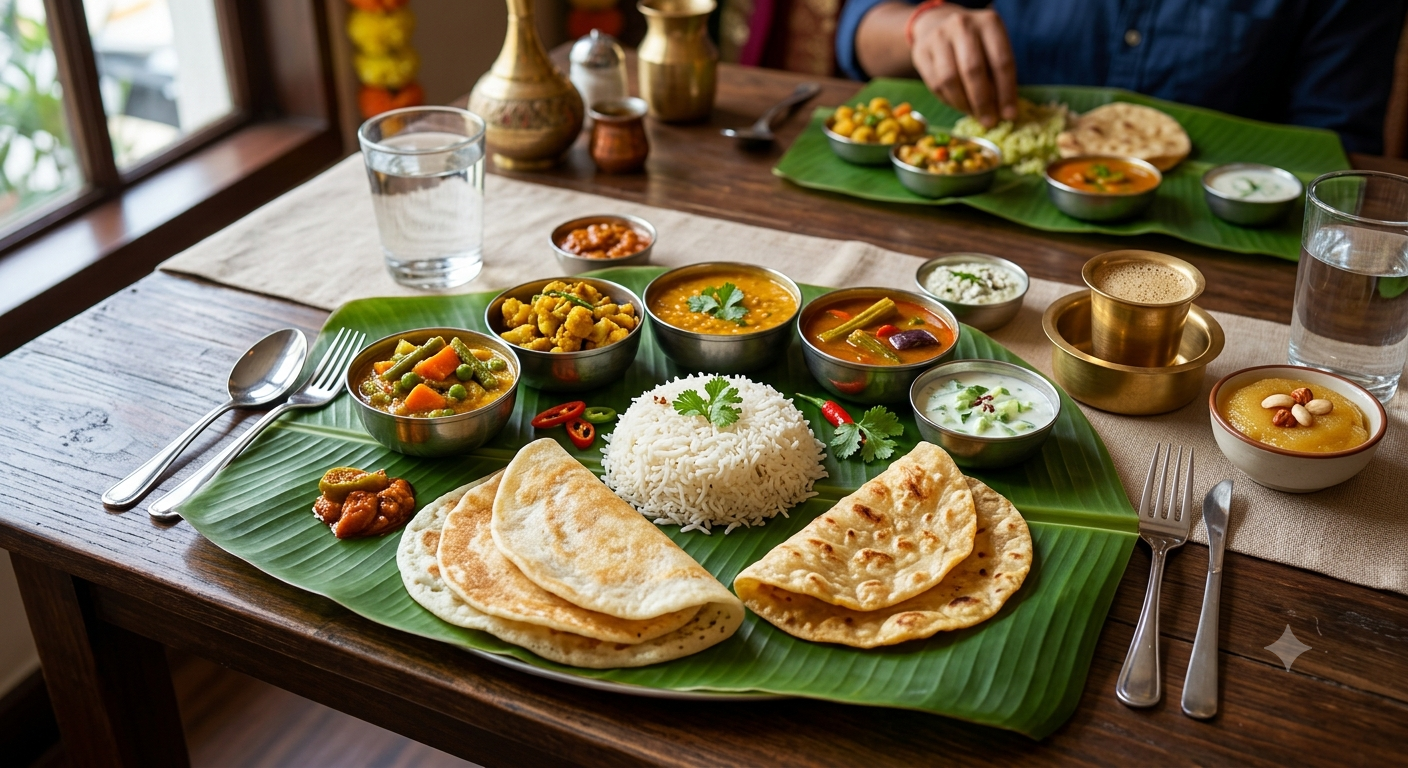
These are the usual traps in non-Indian dishes:
Belacan (fermented shrimp paste): in many sambals, kangkung stir-fries and Malay curries.
Ikan bilis (dried anchovies): in nasi lemak sambal and as a garnish.
Fish sauce and oyster sauce: common in Chinese and Thai-style stir-fries.
Egg: in many noodles, kuih and some roti doughs. Ask if you avoid egg.
Stock: "vegetable" soups and noodle broths are often made with chicken or anchovy stock.
Indian vegetarian restaurants avoid all of these, which is why they are the safest default.
A few phrases in Malay go a long way, especially at hawker stalls:
| You want to say | In Malay |
|---|---|
| I am vegetarian | Saya vegetarian |
| No meat, no fish, no egg | Tak mahu daging, ikan, telur |
| No shrimp paste | Tanpa belacan |
| No onion, no garlic | Tanpa bawang, tanpa bawang putih |
| No potato | Tanpa kentang |
In Chinese restaurants, look for the character 素 (su, vegetarian) or ask for zhai (斋) food.
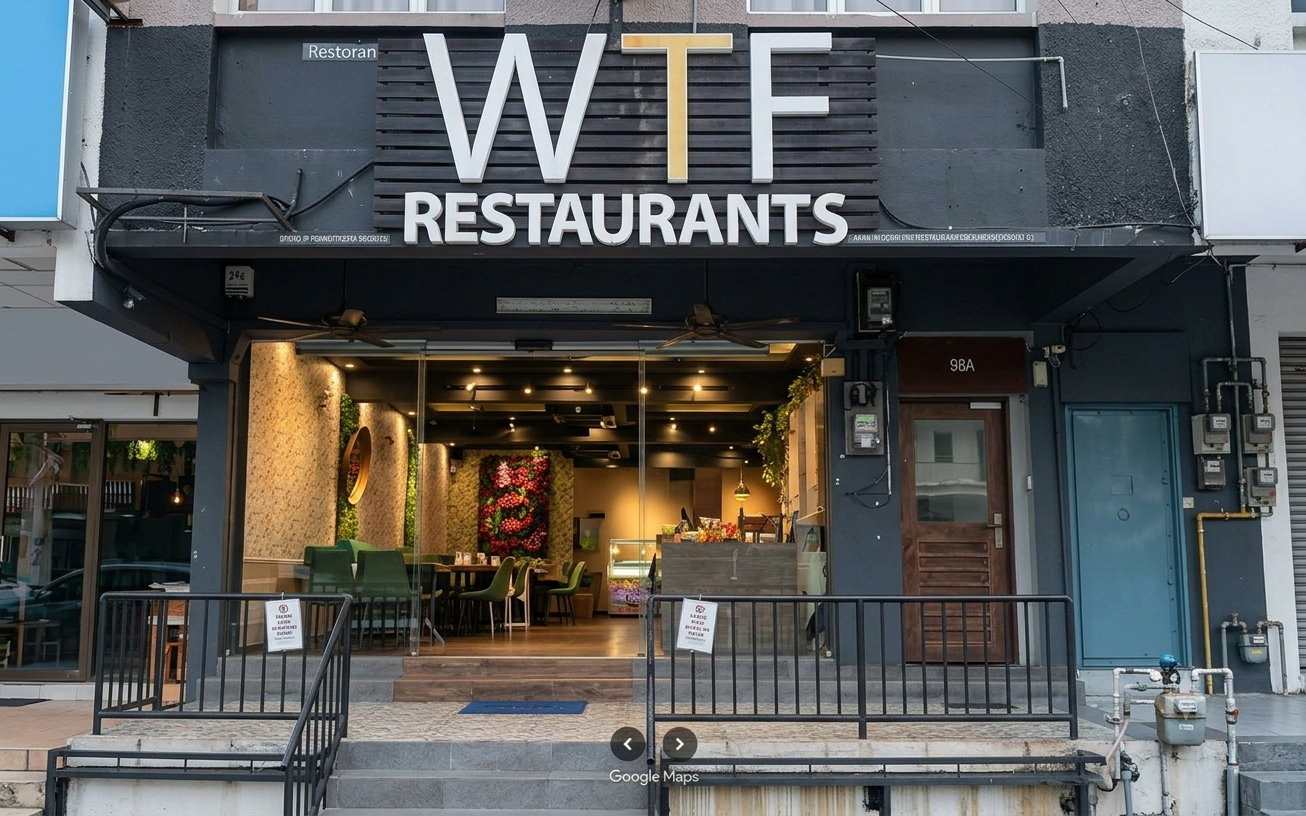
Brickfields, KL's Little India, is the heart of vegetarian dining, with several of the best-known pure-veg restaurants within a few minutes' walk.
| Restaurant | Area | Known for | Jain note |
|---|---|---|---|
| WTF – Veg Restaurant | Bangsar | Indian Vegetarian, Vegan, Gujarati Thali, Indian Mithai & Bakery. | Jain Thali on the menu |
| Annalakshmi | Brickfields (Jalan Berhala) | Volunteer-run South Indian meals on a pay-as-you-feel basis, linked to the Temple of Fine Arts | Ask the kitchen |
| Saravanaa Bhavan | Brickfields (Jalan Tun Sambanthan); also Bangsar | Unlimited banana-leaf meals, dosa, pongal, filter coffee | Ask for no onion/garlic |
| Sangeetha | City centre (Lebuh Ampang, Masjid India area) | North and South Indian vegetarian, dosas, thalis | Jain thali on the menu |
| The Ganga Cafe | Bangsar | Home-style South Indian thalis, dosa | Ask the kitchen |
Tip: Lebuh Ampang and Jalan Masjid India, near the old Little India in the city centre, have more options and are convenient if you're staying near KLCC or Chinatown.
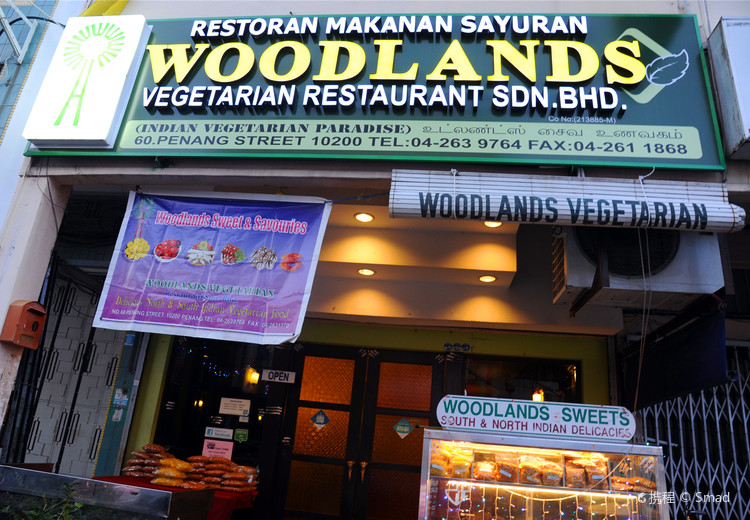
George Town's Little India has several vegetarian restaurants and sweet shops on and around Lebuh Penang (Penang Street) and Lebuh Pasar.
Woodlands Vegetarian Restaurant , 60 Lebuh Penang: a long-running pure-veg favourite. Go for a South Indian breakfast (idli, pongal, dosa) or the Woodlands Special thali at lunch. North Indian dishes such as channa bhatura are on the menu too.
Little India sweet shops: for ladoo, jalebi, murukku and halwa to take home.
Chinese vegetarian: Penang has many Buddhist vegetarian restaurants and hawker stalls, which are a good change from Indian food.
Melaka: Indian vegetarian banana-leaf restaurants are easy to find near the heritage centre. Chinese vegetarian stalls are common too.
Langkawi: Options are thinner. Pantai Cenang has a few Indian restaurants that can cook pure-veg, and resorts catering to Indian guests will usually prepare Jain meals with advance notice. Email ahead.
Sabah: Kota Kinabalu has some Indian and Chinese vegetarian restaurants, but on day trips into the interior, carry snacks. Tell tour operators about your diet when you book.
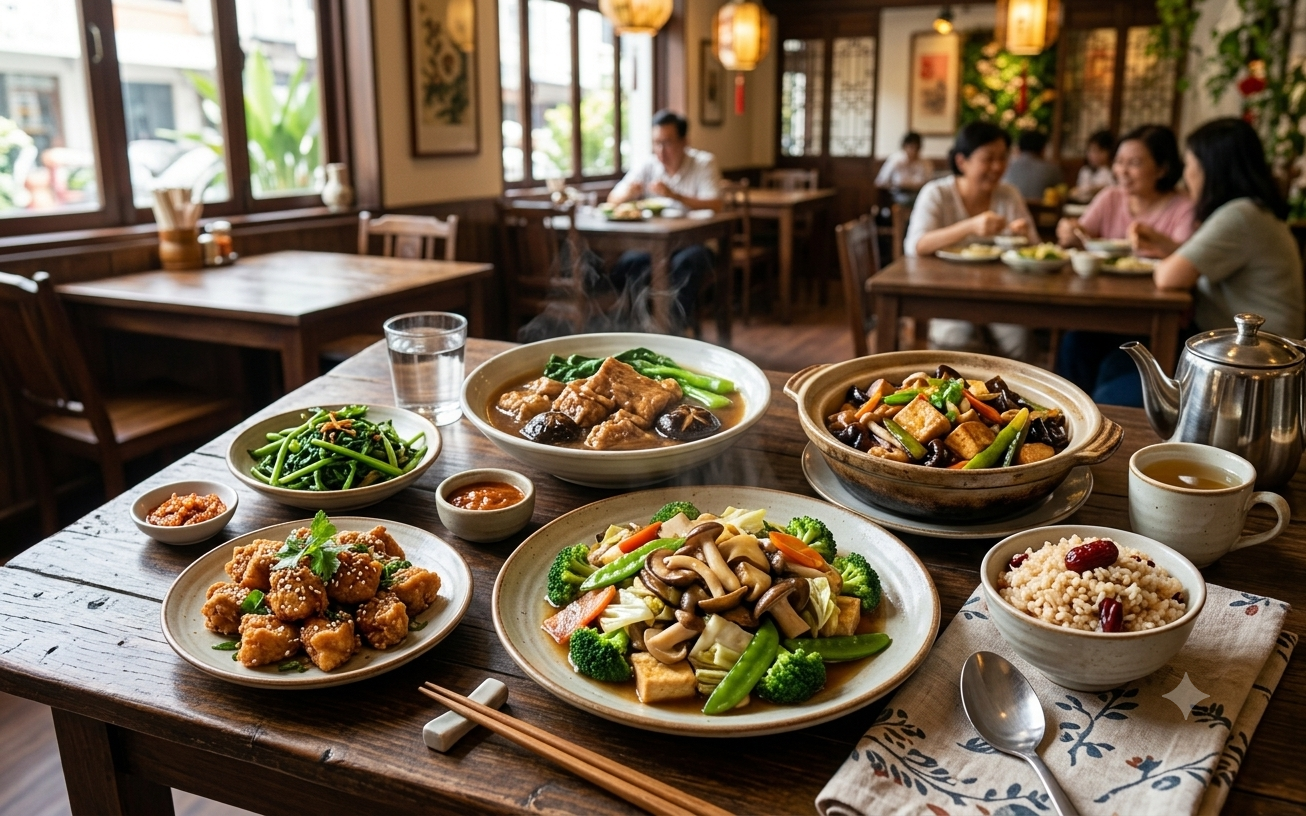
Malaysia's Chinese Buddhist vegetarian restaurants are an underrated resource, especially for Jain travellers. Many traditional Buddhist kitchens avoid the "five pungent" vegetables, which include onion and garlic. Menus feature tofu, mushrooms, gluten, vegetables and mock meats.
Two cautions: some places do use egg, and many dishes still include potato, carrot or other root vegetables. Ask before ordering.
Call or message ahead. Pure-veg Indian restaurants in KL and Penang are used to Jain requests, but a heads-up gets better results.
Breakfast is easiest. Idli, plain dosa, upma (ask for no onion) and pongal are often Jain-friendly with small changes.
Watch the chutneys and sambar. These commonly contain onion or garlic. Ask for coconut chutney made without them.
Carry a backup. Khakhra, thepla, roasted chana and dry snacks travel well and are allowed in your luggage. Check airline rules for liquids and pastes.
Choose hotels with kitchenettes for longer stays, and shop at Indian grocery stores in Brickfields or Little India Penang.
Bottom line
Vegetarians will eat well anywhere in urban Malaysia if they stick to Indian and Buddhist restaurants and learn a few phrases. Jain travellers need more planning, but between Brickfields, George Town's Little India and the Buddhist vegetarian tradition, a strict Jain diet is very achievable, at least in the cities.