Discover everything you need to know about travel, shopping, upcoming events, and more in Malaysia.
Discover everything you need to know about travel, shopping, upcoming events, and more in Malaysia.

When the Michelin Guide entered Malaysia, many expected our vibrant food identity to finally receive global recognition. With world-famous hawker culture, deeply rooted family recipes, and multicultural influences, Malaysia is one of the most exciting food destinations in Asia. But instead of celebration, the guide’s arrival left many Malaysians disappointed, confused, and even amused.
The reaction was clear: Michelin’s interpretation of Malaysian food doesn’t feel Malaysian at all.
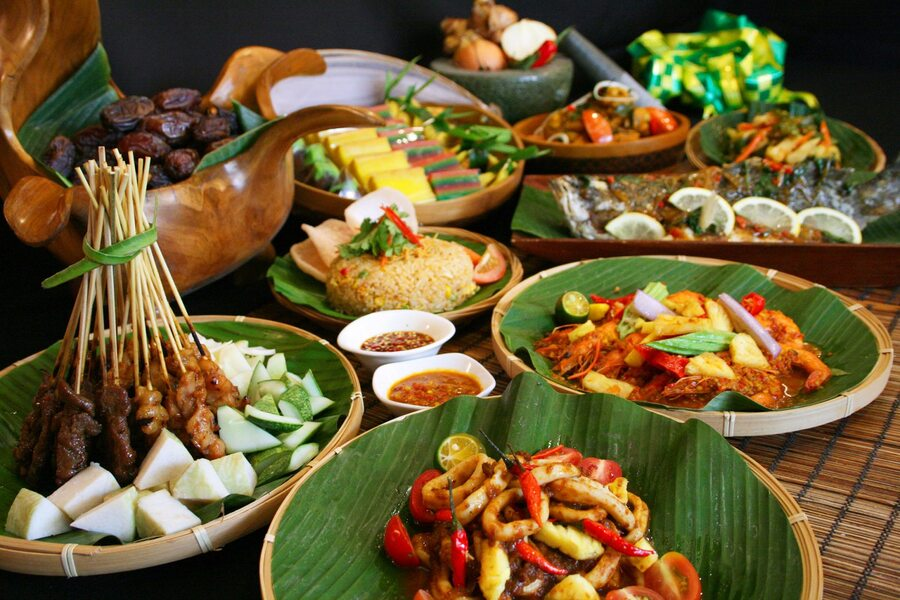
The first issue is simple. Michelin has a long history rooted in Western fine-dining standards. White tablecloths, multi-course tasting menus, and quiet luxury settings define much of what it traditionally rewards.
But Malaysia’s food identity lives elsewhere.
Our culinary pride is found in:
hawker stalls
kopitiams
mamak culture
30- to 50-year-old family businesses
smoky wok hei
late-night crowds
This is where Malaysia’s flavour is born. So when Michelin prioritises formal restaurants over the everyday places Malaysians actually eat, it naturally feels disconnected.
If you ask Malaysians what defines our cuisine, almost everyone will point you to street food. Hawker dishes aren’t just meals. They’re a legacy shaped by Chinese, Malay, Indian, and Eurasian influences, refined over decades with unmatched flavour and technique.
Yet many of the true masters behind our iconic dishes were nowhere to be found in Michelin’s list.
No mention of beloved hawker heroes.
Little recognition for generational stalls.
Minimal spotlight on the flavours that built our reputation worldwide.
When a global food guide overlooks the heart of a nation’s cuisine, the credibility naturally comes into question.
Another eyebrow-raising point for many Malaysians was the comparison between Kuala Lumpur and Penang. KL is a bustling city of around eight million people. Penang? Roughly 800,000.
Yet somehow, Penang received more Michelin-listed outlets than KL.
Penang absolutely deserves recognition for its legendary food scene, but the imbalance made Malaysians wonder whether the inspection process was thorough or simply surface-level. Did inspectors explore KL deeply enough? Did they understand the local landscape? The inconsistency left many unsure.

Malaysia is internationally known for dishes like:
nasi kandar
char kuey teow
bak kut teh
pasembur
nasi lemak
These foods put us on the global map. But Michelin’s selections barely highlighted the stalls responsible for creating—from scratch—Malaysia’s culinary identity.
For a country that takes great pride in these dishes, this omission felt like a huge oversight.
One of the most talked-about moments was when Michelin recognised a restaurant that had already been closed for more than a year. This instantly raised concerns about how closely Michelin was keeping track of Malaysia’s food scene.
It became a symbol of everything Malaysians felt: rushed research, limited exploration, and a rating system that didn’t fully grasp our culture.
With questionable picks, missing legends, imbalanced listings, and odd errors, Malaysians began treating the guide more like a joke than a badge of honour.
People joked that Michelin inspectors must have:
used outdated lists
visited too few places
made fast comparisons
misunderstood street food culture
The reactions weren’t angry — they were amused. And that says a lot.
When a respected global guide enters a country, and the locals laugh at it, something clearly went wrong.
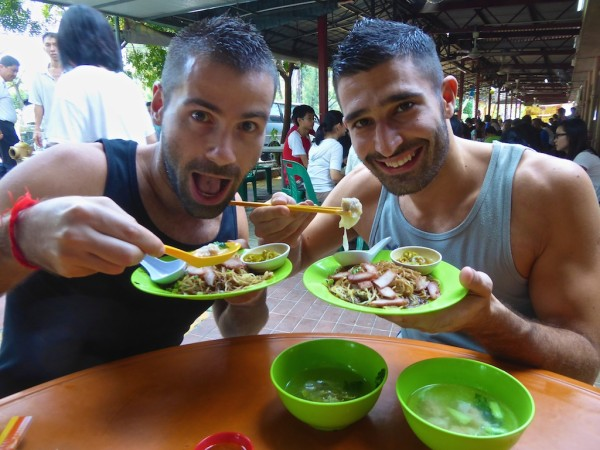
Instead of waiting for external validation, many Malaysians believe the country should celebrate its food culture on its own terms. A local award system that honours hawker legends, generational stalls, family-run institutions, and culturally significant dishes would reflect Malaysia far more accurately than any foreign guide.
Malaysia’s food deserves respect, but that respect must come from a system that understands the people, the history, the flavours, and the culture behind every plate.
Conclusion
Malaysia doesn’t need Michelin to tell us what good food is. Our culinary identity is strong, proud, and unmistakably unique. If the Michelin Guide struggles to capture that essence, Malaysians are more than capable of defining their own standards.
After all, the people who grew up with this food — the ones who have eaten it since childhood, celebrated it, and lived it daily — know it best.