Discover everything you need to know about travel, shopping, upcoming events, and more in Malaysia.
Discover everything you need to know about travel, shopping, upcoming events, and more in Malaysia.

If you travel frequently, you’ve probably stood in the customs queue wondering whether you need to declare anything in your luggage. Malaysia’s declaration rules may seem confusing at first, particularly as many travellers assume that declaration is only necessary for luxury goods or suspicious items. The truth is far more nuanced, and it's important to understand it if you want a smooth trip home.
This guide explains how Malaysian customs views your purchases, what counts as an import, where duty-free limits apply and why even ordinary items may be subject to tax. Whether you’re shopping abroad for fun or returning with gifts, here’s what you need to know.

Malaysia’s Customs Act requires travellers to declare certain items upon entry. It’s not simply a formality. The regulation exists to manage import taxes, protect consumers, and prevent prohibited items from slipping through. If a traveller brings in something that should have been declared and chooses not to, Customs officers can legally confiscate it and initiate further investigation.
The rule applies to three key areas:
Goods that are taxable
Goods that are restricted or prohibited
Foreign currency that exceeds the permitted threshold
Most travellers only think of alcohol or cigarettes, but the category of taxable goods is far broader than it appears.
One of the biggest misunderstandings is that Customs only targets luxury handbags and branded electronics. In reality, what officers look closely at are high-value items that are easy to overlook. This includes skincare bought in bulk, premium food items, gadgets, fashion purchases, and even collectables. Since these items have significant resale value, they fall squarely under “imports” in the eyes of Customs.
If the items are new, sealed, or bought abroad, they are treated the same way as goods entering the country through commercial import channels.
Malaysia does offer duty-free allowances for air travellers, but they are far more limited than many people assume. You are allowed to bring in:
One litre of alcohol
Three new pieces of clothing
One new pair of shoes
Food products up to RM150
These allowances are fixed and non-transferable. Beyond that, all other items you bring in fall under a general rule: the first RM1,000 worth of goods is duty-free, and anything above that may be taxed at around 10%.
This is where many travellers are caught off guard. For example, a skincare haul worth RM1,300 doesn’t simply “slip through”; Customs can tax the RM300 excess value.
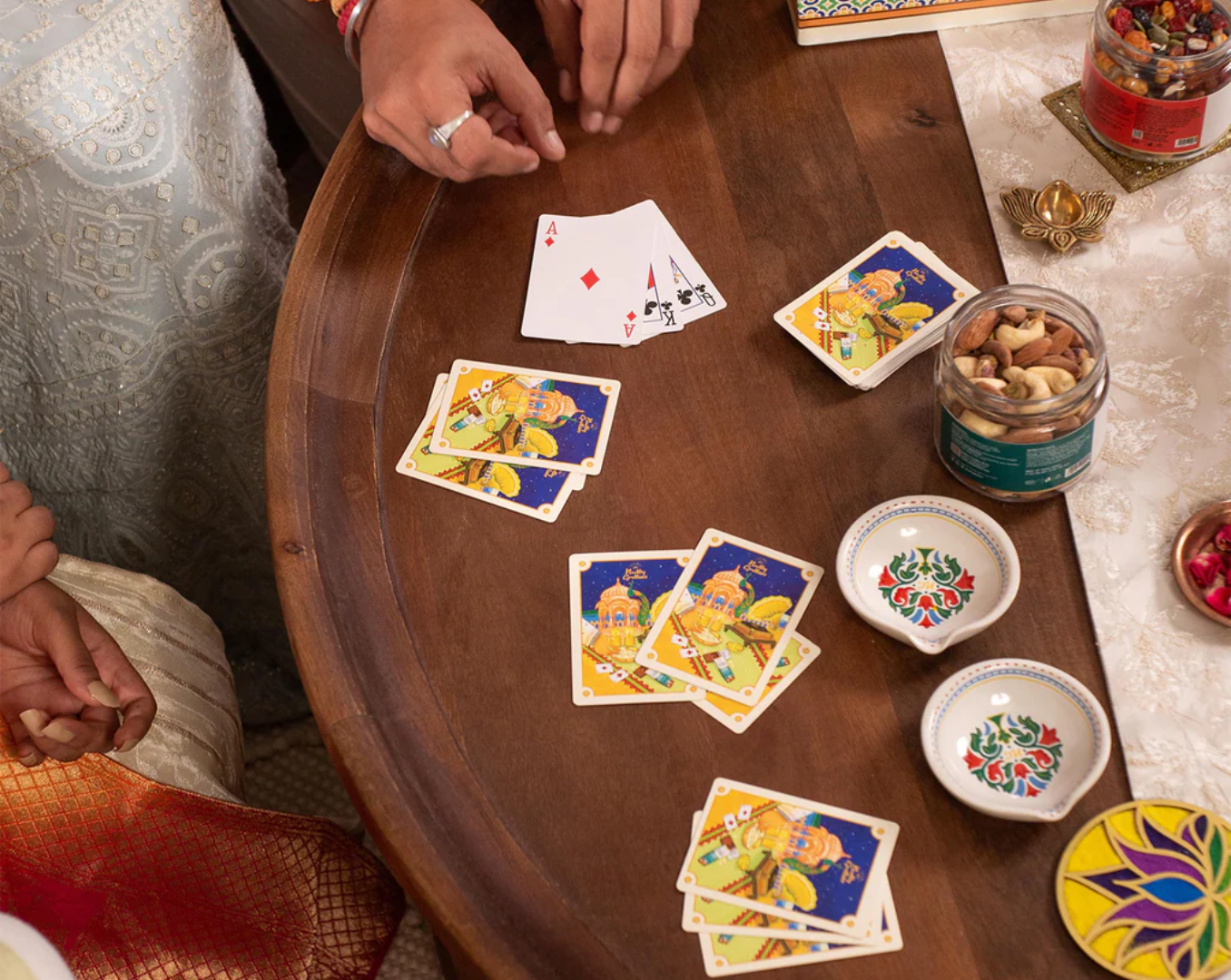
A category that consistently surprises travellers is collectables. Items like Pokémon cards, K-Pop photocards, and sports trading cards are immensely popular, yet most people do not realise how Customs classifies them. These items fall under the category of playing cards, which means they are treated as taxable goods.
If the total value of the cards exceeds RM1,000, travellers can be charged:
10% import duty
10% excise duty
10% sales tax
With rare cards often costing hundreds of ringgit each, it’s easy to exceed the threshold without even realising it.

The general principle is simple: almost anything new that you buy overseas is considered an import. Whether you're buying luxury skincare, electronics, souvenirs, or limited-edition items, Customs will assume they are taxable unless they fall under a specific exemption.
That’s where Malaysia’s exemption orders come in. The Customs Duty Exemption Order 2017, the Excise Duty Exemption Order 2017, and the Sales Tax Exemption Order 2018 outline which goods, quantities, and travellers qualify for tax exemptions. Unless your goods are clearly listed in these documents, they are treated as taxable imports.
A lot of travellers avoid the declaration counter because they assume it’s complicated or time-consuming. In reality, declaring only takes a few minutes. Not declaring when required can cost much more: your items can be detained, penalties may apply, and in some cases, an inquiry may follow.
Think of a declaration as a simple safety step. It protects you, ensures transparency, and prevents misunderstandings.
Conclusion
If you’re ever unsure whether something needs to be declared, the simplest rule is this: If it’s new, valuable, or the total exceeds RM1,000, declare it. Being informed before you land makes your arrival smoother and prevents unnecessary problems. Travelling should be enjoyable, and with a bit of awareness, coming home will be just as easy as leaving.